Early last summer, influenced by many friends in Calcutta, Udaipur, Jaipur, Nasik, the Cuban Vegetable Revolution of the 1990s in Havana and of course the legendary Fukuoka himself in Japan, I started a small garden on the roof of our house. My intention was to be able to plant vegetables free of chemicals, to be able to see them grow over time.
My mother, Anjala, had a lively vegetable garden in Chandigarh. I remember as kids when we came back from school we would go hungrily to the backyard, dig out carrots and radishes and gobble them up like rabbits. We had almost all seasonal vegetables like cauliflower (फूल गोभी), eggplant (बैगन) cabbage (पत्ता गोभी), potato (आलू), carrot (गाजर), onion (प्याज), lady’s-finger (भिन्डी) and lots more… many fruit trees like guava (अमरूद), pomegranate (अनार), lemon (नीबू), mango (आम), plum (आलूबुखारा), pear (नाशपाती) and papaya (पपीता)… when we arrived in Chandigarh most of these trees were already there, so we didn’t really plant them, but were able to enjoy their fruits. Later my mother planted mango and lemon trees as her way of giving back to future generation of residents in that house just as we had got in our turn.
But what we did not know then and we are painfully aware of now is that we were amongst the lucky few eating vegetables grown without fertilizers and fruits ripened without chemicals bang in the middle of the city। Today we know what a big deal that is!
Here are some pictures from our roof top garden.
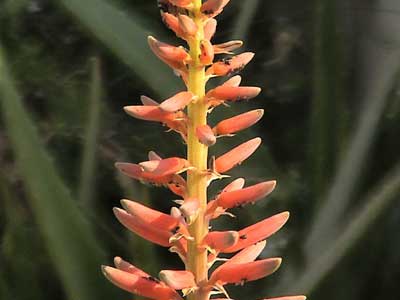 |
| Aloe Flower |
After reading and hearing so much about Aloe Vera and its astonishing medicinal properties (check out some of them here or simply Google the word) I decided to grow this North African succulent on my roof. What you see here are the flowers on a stem about 90cms high and which please my soul no end!
Aloe Vera can be applied topically on skin or scalp or consumed. It is very effective for cuts, moderate to severe burns and skin ailments like eczema and rashes. The cosmetic industry uses it in lotions and creams! But we don’t need to do any of that, we can apply or consume it directly, without any chemical processing. There is perhaps nothing on this planet that offers the amazing variety of healing benefits like Aloe Vera does. In a single plant, it offers potent, natural medicine that halts the growth of cancer tumours, lowers high cholesterol, eases inflammation and soothes arthritic pain… the list is endless! A more exhaustive list can be found here।
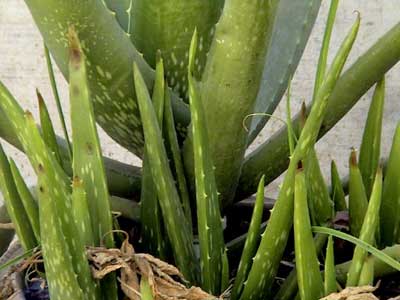 |
| Aloe Vera |
When I began this vegetable garden I tried growing different kinds of gourds but failed miserably। The plant did grow and it did spread, but it bore no flowers, no vegetable, nothing to eat… and alas, nothing to show to the world too…
 |
| Mustard |
So I went to a farmland on the outskirts of Delhi and asked a family of farmers working there as to what I could grow given my kind of space.
Nobody had ever come from the city to ask them such questions, so naturally they were amused but also pleasantly surprised. They gave me many suggestions on what to grow, when to grow and how to grow.
The first thing they said was that my seeds may be ‘not good’. Now, what does that mean? They said sometimes you get seeds that do not flower. “You are lucky” they said “you don’t have a whole field of such seeds to worry about; it’s just a couple of pots on your roof.” Yes, put it that way I did feel lucky though I must confess I did not quite like the idea of not getting anything after looking after the plants so tenderly.
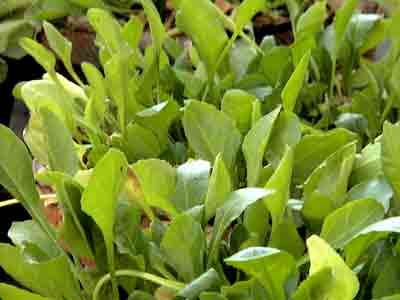 |
| Spinach |
And the next thing they said was – go for leafy vegetables. That made sense to me. So I went to Azadpur wholesale vegetable market and bought seeds of पालक (spinach), सरसों (mustard) and मेथी (fenugreek). The seed market in Azadpur was inundated with products from Mahyco a Maharashtra Government joint venture with Monsanto. I bought one packet without realising where it was from, but later did not use it. I didn’t want to start my roof top garden with anything that’s ‘genetically modified’!
Leafy vegetables are easier to handle for beginners like myself. They also give the necessary confidence required to go ahead and take bolder steps in vegetable kingdom.
I hope this blog from our roof continues as we plant more vegetables and learn about them in greater detail. Please forward this link to people you think may be interested. If you have your own vegetable stories to share, do write in.
Love, and happy vegetable farming


